
This Passive House: Raising the Standard for Environmental Leadership
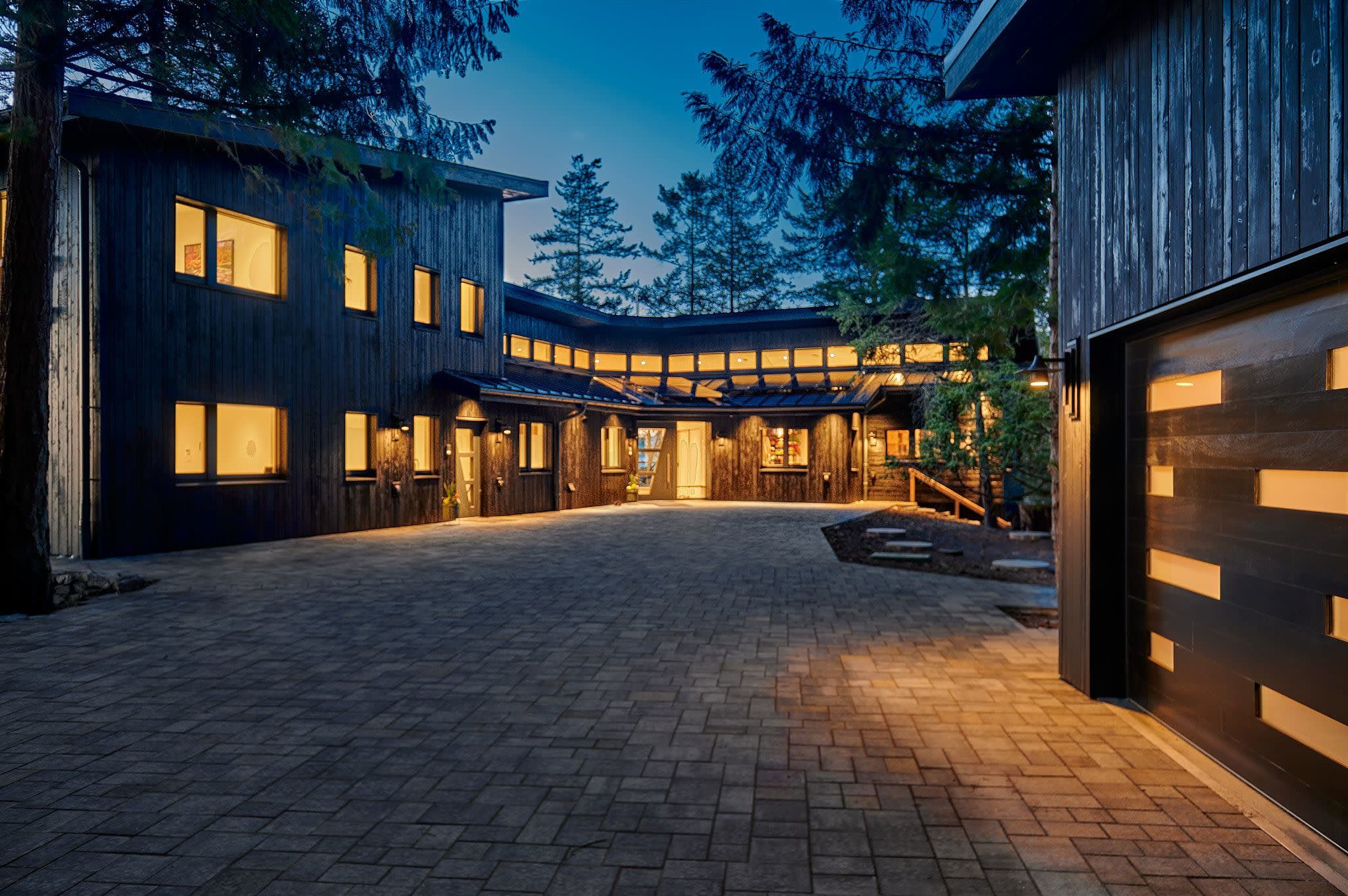
This Passive House: Raising the Standard for Environmental Leadership
Best Environmental Initiative Award- 2024
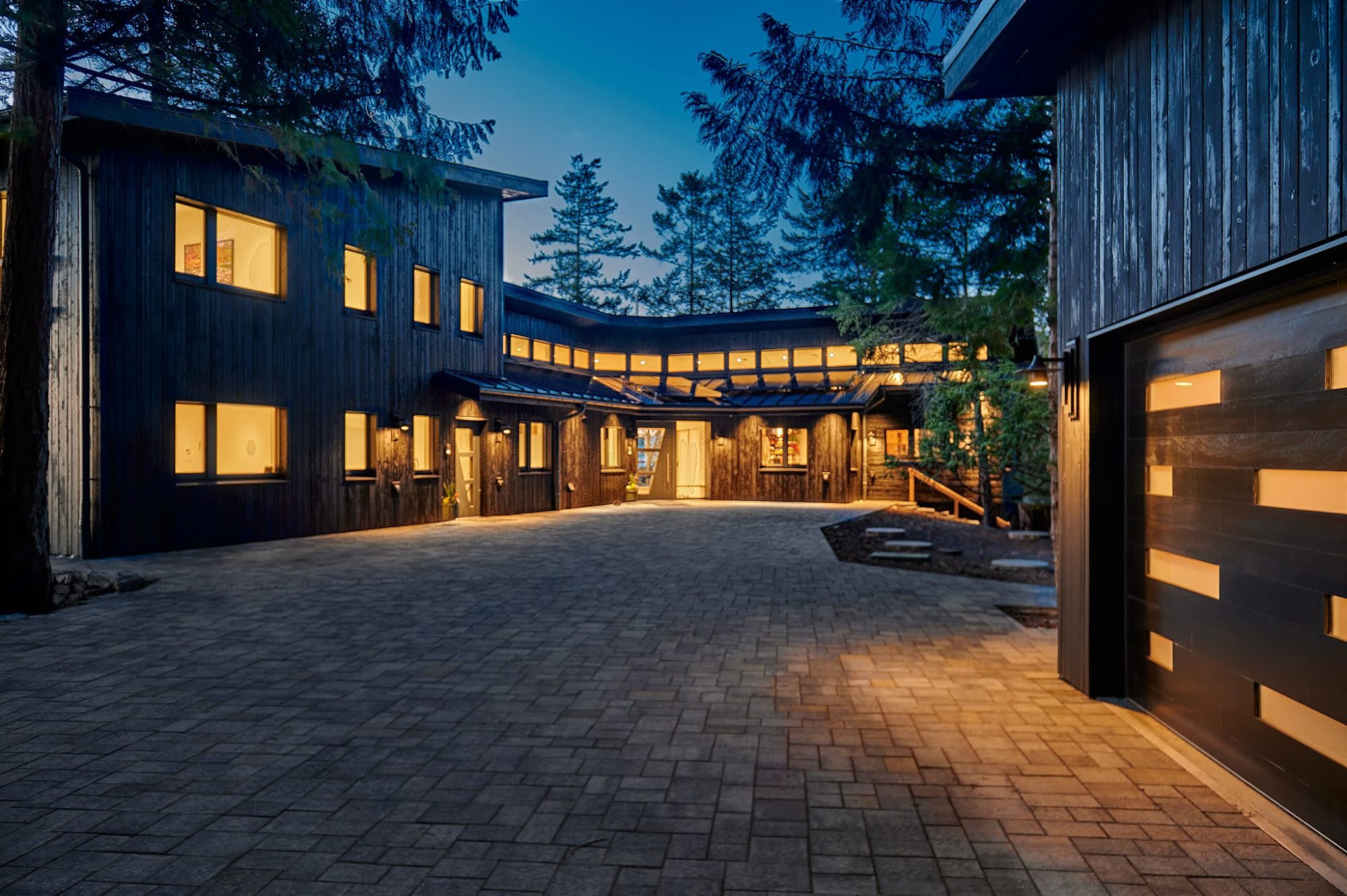
At the 2024 Vancouver Island Building Industry Awards, Pheasant Hill Homes was recognized with Best Environmental Initiative for a project that demonstrates what true performance-driven renovation can achieve.
This Passive House, perched on the rocky bluffs of Eastern Vancouver Island, is more than a home. It is a case study in how deep energy retrofits, thoughtful design, and environmental stewardship can come together to create something extraordinary.
Designed to meet the Passive House EnerPhit standard (currently under certification review), this project proves that high performance is not limited to new construction. Existing structures can be transformed into world-class environmental performers — without compromising beauty, comfort, or longevity.
Renovation Over Replacement
One of the most significant sustainability decisions made on this project was to renovate rather than rebuild.
The existing foundation and floor system were preserved and upgraded to meet stringent airtightness and insulation targets. Rather than sending materials to landfill, lumber from the original structure was reclaimed and reused on site.
Renovating to EnerPhit standards required:
- Bringing an aging foundation system up to modern airtightness performance
- Installing advanced insulation systems
- Addressing complex detailing challenges
- Retrofitting mechanical systems to align with Passive House principles
This approach significantly reduced embodied carbon while preserving the character of the original structure.
Performance by the Numbers
This Passive House achieved a Blower Door test result of 0.57 ACH, demonstrating exceptional airtightness performance, critical in controlling heat loss, moisture, and energy consumption.
The roof assembly utilized Vacuum Insulated Panels (VIPs), allowing the team to maximize insulation values while minimizing roof thickness. This innovative solution supported both performance and architectural design objectives.
Triple-pane windows, carefully detailed air barriers, and a fully optimized building envelope ensure consistent year-round comfort.
Integrated Carbon Reduction Strategy
Carbon reduction in this project was not an afterthought — it was foundational.
Key systems include:
- Solar panels to generate on-site renewable energy
- Home battery backup to store energy and improve resilience
- Air-to-water heat pump serving hydronic in-floor heating
- Heat recovery ventilation system with a geothermal heat exchanger
- Automatic solar shades to optimize passive solar gain in winter and reduce overheating in summer
- Electric vehicle charging stations
The combination of envelope performance and efficient mechanical systems significantly reduces operational carbon while enhancing durability and indoor comfort.
Hydronic in-floor heating, paired with advanced ventilation, ensures even temperatures and excellent air quality — hallmarks of Passive House design.
Materials That Reflect Environmental Values
Material selection on this project was deliberate and aligned with both performance and environmental responsibility:
- Shou Sugi Ban cedar siding, charred on site for durability and aesthetic depth
- Reclaimed wood flooring
- Accoya wood decking for long-term exterior durability
- SFI-certified lumber
- Low-VOC paint and finishes
- LED lighting throughout
Shou Sugi Ban cladding not only provides a striking visual identity but also enhances durability in the coastal climate, reducing long-term maintenance needs.
The home also includes masonry heaters, offering a low-impact supplemental heating option that aligns with the overall performance strategy.
Designed for Multi-Generational Living
This Passive House was thoughtfully designed for multi-generational living, with well-being at the forefront.
Clerestory windows, both exterior and interior, bring natural light deep into the home, including north-facing living spaces. Interior clerestory windows are equipped with automated shades to optimize solar performance while maintaining comfort.
A blend of European design elements, sleek aluminum interior trims, and minimalist detailing create a refined, timeless aesthetic.
Beyond aesthetics, accessibility and longevity were prioritized — ensuring the home can support evolving family needs for decades.
Sensitivity to Site and Wildlife
Perhaps most impressively, this project demonstrated exceptional sensitivity to its surrounding environment.
Construction scheduling was carefully managed to protect nearby eagle habitat. The eagles have since returned to their nest — a powerful testament to responsible site stewardship.
Additional environmental measures included:
- Installation of rainwater recovery cisterns for non-potable water use
- Preservation of the existing foundation system
- Careful management of construction impacts to protect local wildlife
Building on a sensitive coastal bluff demands respect for the land — and this project delivered.
Innovation Meets Responsibility
Innovation in this Passive House went beyond high-performance metrics.
Vacuum insulated panels allowed for advanced thermal performance without bulky assemblies. Interior and exterior detailing balanced European-inspired minimalism with the rugged beauty of Vancouver Island.
This home demonstrates that environmental leadership is not about a single feature, it’s about integration.
- Envelope performance
- Mechanical optimization
- Renewable energy
- Material responsibility
- Site sensitivity
- Occupant well-being
When these elements align, sustainability becomes seamless.
Setting the Benchmark
Winning Best Environmental Initiative 2024 reflects not just technical achievement, but a philosophy of building better.
This Passive House stands as proof that:
- Deep retrofits can rival new construction performance
- Luxury and sustainability can coexist
- Environmental stewardship enhances — not limits — design
- Performance-driven homes are achievable today
As the industry continues to evolve, projects like this one raise the bar.
They remind us that environmental leadership isn’t about trends, it’s about commitment, craftsmanship, and courage to do things differently.
And that is exactly what Change Builders are all about.